Best Ceramic Coating for Cars: Enhance and Protect
May 8, 2026
Auto ceramic coating is a hot topic in the car care industry, and for good reason. If you want to keep your vehicle looking its absolute best, you may have heard about this powerful paint protection solution. Let’s explore what auto ceramic coating is and why it might be the most important upgrade you can give your car.
Table Of Contents:
- What Is Ceramic Coating for Cars?
- Benefits of Ceramic Coating for Cars
- 1. Superior Protection
- 2. Long-Lasting Protection
- 3. Easier Maintenance
- 4. Enhanced Gloss
- The Ceramic Coating Process
- 1. Washing and Decontamination
- 2. Paint Correction
- 3. Surface Preparation
- 4. Coating Application
- 5. Curing Time
- Types of Ceramic Coatings
- 1. Professional-Grade Coatings
- 2. DIY Ceramic Coating Kit
- 3. Ceramic Spray Coating Products
- What Else Can Be Coated?
- Maintaining a Ceramic Coated Car
- Is Ceramic Coating Worth It?
- Conclusion
What Is Ceramic Coating for Cars?
The ceramic coating for cars is a liquid polymer that chemically bonds with your car’s factory paint. When applied correctly, it creates a layer of ceramic protection that is significantly harder than a traditional car wax or paint sealant. This coating acts as a durable shield against environmental contaminants and minor abrasions.
The primary ingredient in most ceramic coatings is silicon dioxide (SiO2), which is derived from quartz crystals. Some advanced formulas, like the impressive Carbon Force ceramic coating, also include ingredients like titanium dioxide for added strength and gloss. These compounds create a powerful hydrophobic coating that actively repels water and other liquids from the surface.
This bond creates a new, functional layer on top of your car’s clear coat. It fills in the microscopic pores of the paint, resulting in a perfectly smooth and slick surface. This smoothness is what gives ceramic coatings their self-cleaning properties and incredible shine.
Benefits of Ceramic Coating for Cars
Ceramic coating offers several advantages over older paint protection methods. The benefits range from visual appeal to practical, long-term paint preservation. Here are some of the key advantages of ceramic coating for cars:
1. Superior Protection
The hard, durable surface created by a ceramic coating helps protect your car’s paint from damaging UV rays, which can cause oxidation and fading. It also offers strong resistance to chemical stains from things like bird droppings, bug splatter, and tree sap. The coating can also help prevent minor light scratches and swirl marks that often occur during a car wash.
This barrier is much more robust than any wax. While not impervious to deep scratches or rock chips, it provides an exceptional defense against the everyday elements that degrade your vehicle’s finish. This level of paint protection is a primary reason people choose a ceramic car treatment.
2. Long-Lasting Protection
While traditional ceramic wax might last a few months, a quality ceramic paint coating can protect your car for years. Some high-end coatings, when properly maintained, can provide lasting protection for up to five years or even longer. This longevity makes it a cost-effective solution over time.
The durability comes from the strong covalent bond the coating forms with the paint surface. It doesn’t wash away or break down easily like waxes or sealants. This means your car stays protected through countless washes and weather conditions.
3. Easier Maintenance
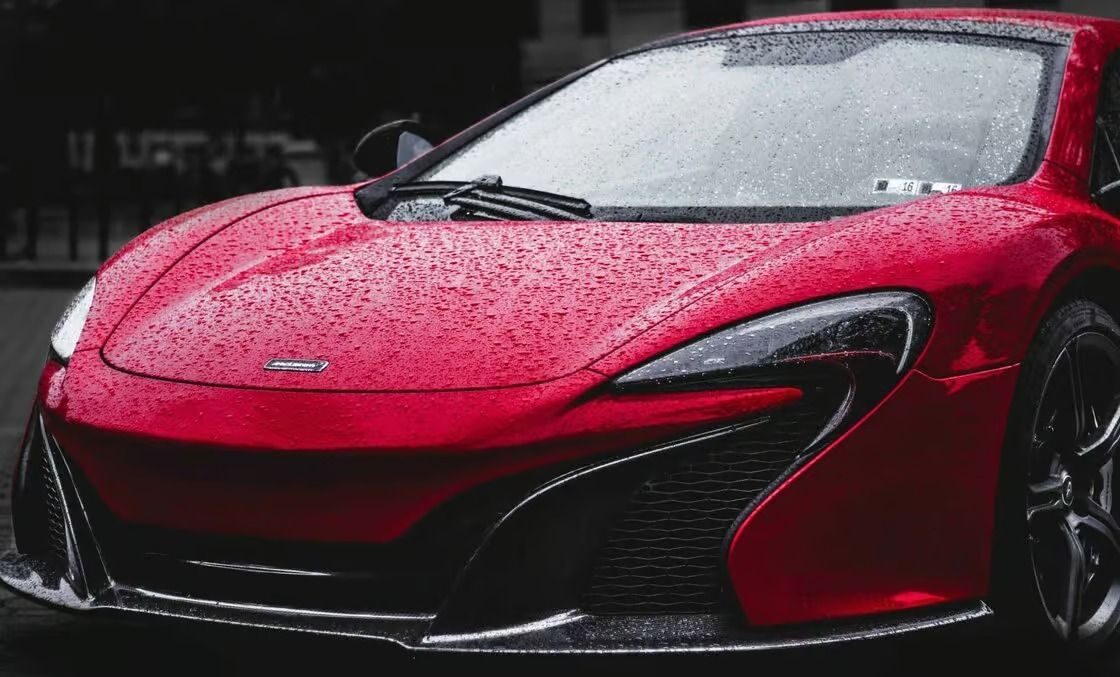
The hydrophobic properties of ceramic coating for cars make it much easier to keep your car clean. Water beads up and rolls off the surface, carrying dirt and grime away with it. This phenomenon, often called the “lotus effect,” means less frequent washing and simpler cleaning when you do wash your car.
Contaminants like mud and dirt have a harder time sticking to the slick surface. A simple car wash, often with just a pressure washer and some quality soap, is enough to restore the vehicle’s shine. This simplified car care routine saves both time and effort.
4. Enhanced Gloss
A ceramic coating can give your car’s paint a deep, wet-look shine that lasts much longer than a traditional wax. This finish greatly enhances the color and clarity of your paint. Your car can look like it just rolled off the showroom floor, achieving a true showroom finish for years.
This gloss is a result of the coating’s ability to fill in tiny imperfections in the clear coat. It creates a perfectly smooth, light-reflecting surface. The result is a brilliant shine that is difficult to replicate with other products.
The Ceramic Coating Process
Applying a ceramic coating is an involved process that requires significant preparation and precise application. It is not as simple as wiping on a coat of wax. Here is a general overview of the steps involved in a professional application.
1. Washing and Decontamination
First, the car needs to be thoroughly washed. This step involves more than just soap and water; it is about removing contaminants that are bonded to the paint. An iron remover is used to dissolve industrial fallout and brake dust, followed by a tar remover for road grime.
After the chemical decontamination, a clay bar treatment is performed. The clay bar gently glides over the paint and pulls out embedded contaminants, leaving the surface perfectly smooth. This stage is critical for allowing the coating to bond directly to the clear coat.
2. Paint Correction
Any imperfections in the paint, such as swirl marks or light scratches, are corrected through machine polishing. This is the most labor-intensive step but is absolutely essential. The ceramic coating for cars will lock in the current condition of the paint, so the surface must be perfected before application.
Paint correction can be a single-stage process for newer cars or a multi-stage process for vehicles with more significant defects. The goal is to create a flawless canvas. Skipping this step would mean permanently sealing imperfections under the protective coating.
3. Surface Preparation
The surface is then carefully wiped down with an isopropyl alcohol (IPA) solution or a dedicated panel prep spray. This process removes any oils, waxes, or residues left from the polishing compounds. A completely clean and sterile surface confirms the ceramic coating can form the strongest possible bond with the paint.
4. Coating Application
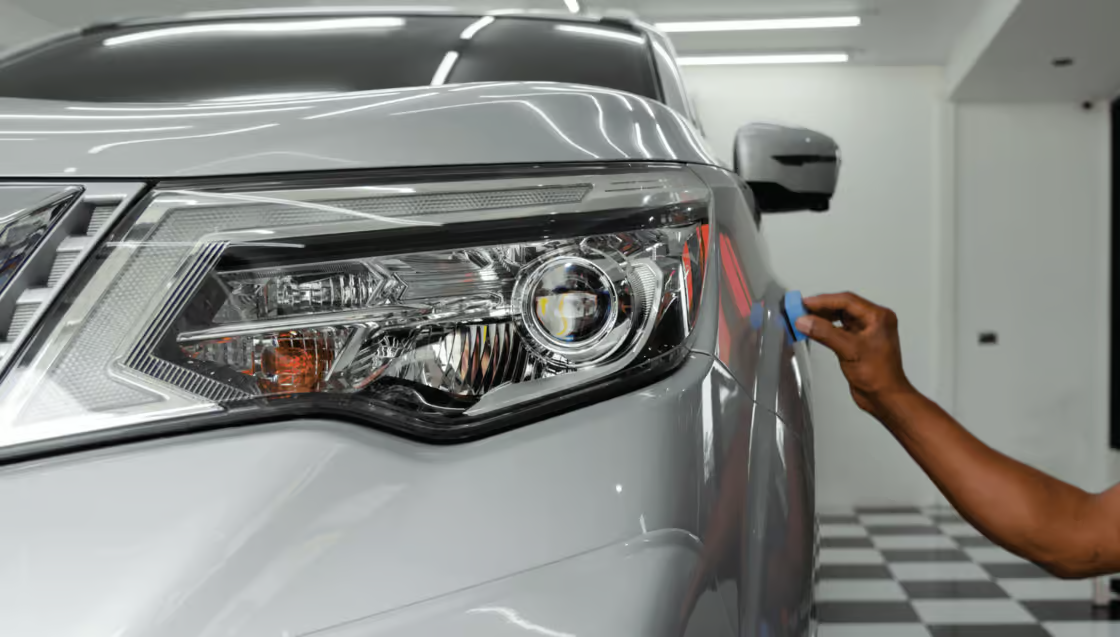
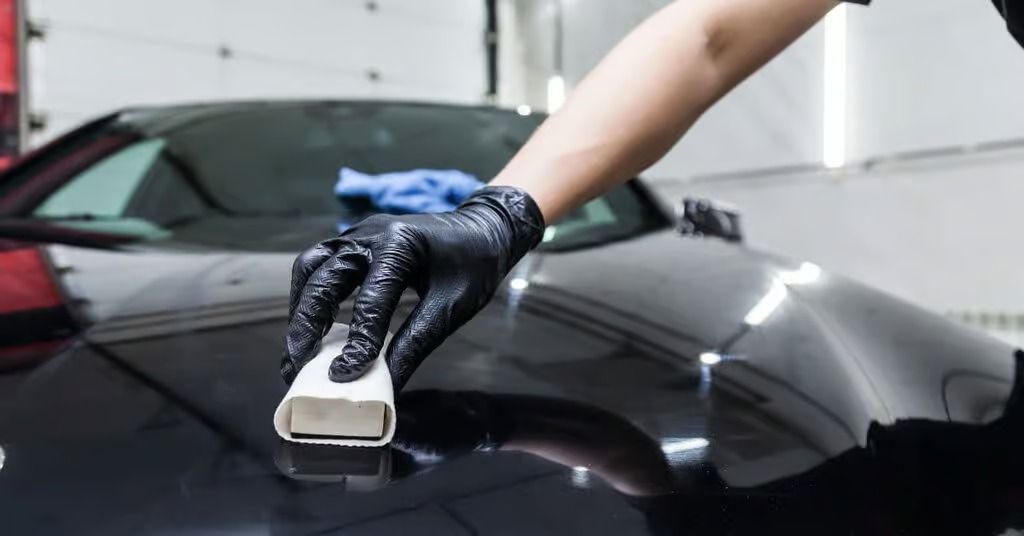
The ceramic coating for cars is carefully applied in thin, even layers using a suede applicator block. The technician works in small sections, typically 2×2 feet at a time. The product is applied in a cross-hatch pattern to get complete coverage.
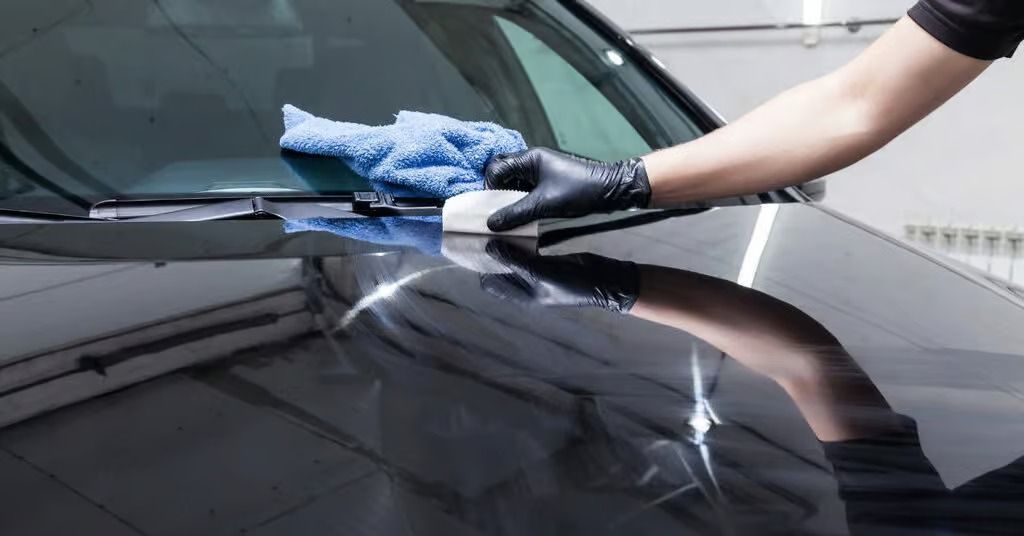
After a short “flashing” period, the residue is leveled and buffed off with a clean microfiber towel. Most professional-grade coatings may require multiple layers for optimal protection and appearance. This is a delicate process that requires attention to detail and a controlled environment.
5. Curing Time
After the final layer is applied, the coating needs time to cure. The curing time varies depending on the specific coating product and environmental factors like temperature and humidity. An initial cure might take 12-24 hours, during which the vehicle should not be exposed to water.
The full chemical cure can take up to a few weeks. During this period, it’s best to avoid washing the car with any chemicals. The curing process is when the coating fully hardens and bonds to the paint, establishing its long-lasting protection.
Types of Ceramic Coatings
Not all ceramic coatings are the same. They range from user-friendly consumer products to complex professional systems. Here are the main types available.
1. Professional-Grade Coatings
These are the highest quality coatings and are typically only available to certified professionals. They offer the best durability, gloss, and chemical resistance. Brands often require technicians to undergo training to ensure a proper professional application, which is backed by a warranty.
Products like Gtechniq’s Crystal Serum Ultra or Carbon Force Ceramic are examples of professional-grade options. While they come with a higher price tag, they provide the best performance and longest-lasting protection available. These are for owners who want the absolute best for their vehicles.
2. DIY Ceramic Coating Kit
A DIY ceramic coating kit offers a great balance of performance and affordability for enthusiasts. These are consumer-grade products designed for home application. A quality kit, such as Gtechniq’s Crystal Serum Light, can deliver several years of protection when applied correctly.
While more affordable, they require the user to perform all the necessary prep work, including the crucial paint correction step. The results are highly dependent on the quality of the preparation. This option is great for those with some car detailing experience.
3. Ceramic Spray Coating Products
A ceramic spray is the easiest type of coating to apply and is very popular. Products from brands like Chemical Guys or the Turtle Wax Hybrid Solutions line fall into this category. This type of spray coating offers enhanced protection and hydrophobic properties compared to a traditional wax, but with less longevity than a full coating.
These are excellent for beginners or as a maintenance topper for an existing ceramic coating. A ceramic spray coating can be applied in minutes after a car wash. They are a fantastic way to get some of the benefits of ceramic technology without the intense application process.
The table below provides a quick comparison of the different types of coatings.
| Coating Type | Durability | Application Difficulty | Cost | Primary Use Case |
|---|---|---|---|---|
| Professional-Grade | 3-9+ Years | Very High (Professional Only) | High ($$$$) | Ultimate long-term paint protection. |
| DIY Coating Kit | 1-5 Years | Moderate to High | Medium ($$$) | Enthusiasts seeking durable protection. |
| Ceramic Spray | 3-12 Months | Low | Low ($) | Beginners or as a maintenance topper. |
What Else Can Be Coated?
The benefits of ceramic technology are not limited to your car’s paint. Specialized coatings are available for nearly every surface of your vehicle. This allows for comprehensive protection and easier maintenance all around.
You can apply a ceramic glass coating to your windshield and windows for improved visibility in the rain. Wheels can be coated to protect against corrosive brake dust and make them much easier to clean. Coatings for plastic trim can restore a deep black look and prevent future fading from UV rays.
There are even coatings for interior surfaces. You can protect leather from spills and UV damage or treat fabric surfaces to make them resistant to stains. Using these specialized products for vinyl, rubber, and glass care creates a fully protected vehicle.
Maintaining a Ceramic Coated Car
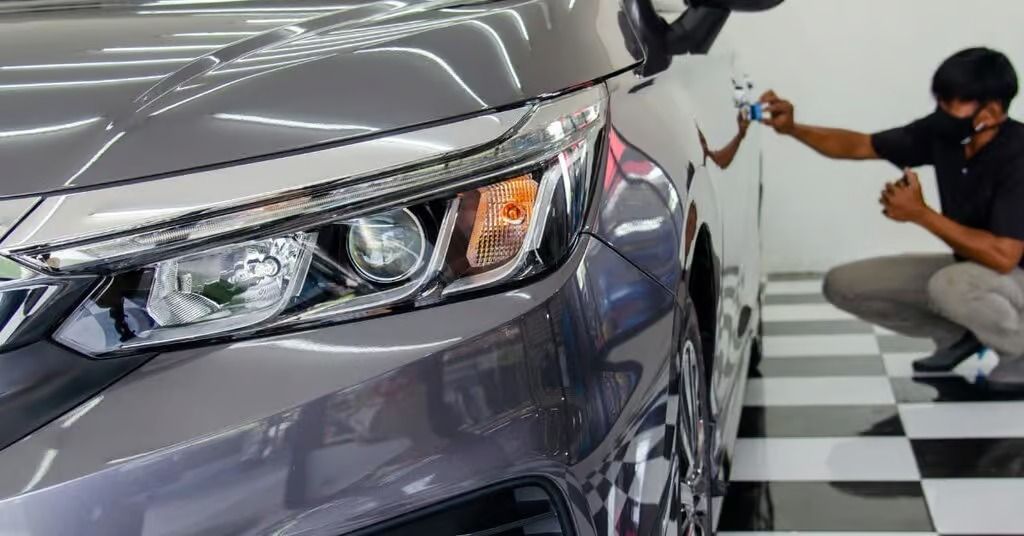
While ceramic coating for cars simplifies maintenance, it does not make your car maintenance-free. Proper care is necessary to maximize the coating’s lifespan and performance. Here are some important car care tips for a coated vehicle.
- Wash your car regularly (every 1-2 weeks) using a pH-neutral car shampoo and clean wash mitts.
- Use the two-bucket car wash method to minimize the risk of inflicting swirl marks.
- Avoid automatic car washes with harsh brushes, as they can abrade the coating over time.
- Dry the vehicle with a high-quality, plush microfiber towel to prevent water spotting.
- Use a ceramic quick detailer or a dedicated maintenance spray every few weeks to boost the hydrophobic properties and gloss.
- Products like a waterless wash can be used for light cleaning between full washes.
Is Ceramic Coating Worth It?
The value of ceramic coating for cars depends on your priorities, budget, and how long you plan to keep your car. If you are passionate about keeping your car looking its best and want to invest in long-term protection, it can be an excellent choice. The ease of cleaning and the incredible shine are major draws for many owners.
For those who lease their cars or trade them in frequently, the high upfront cost of a professional application might be harder to justify. However, a well-maintained, ceramic-coated car can command a higher resale value, which could offset some of the initial investment. A consumer-grade spray coating could be a more suitable option for shorter-term ownership.
Ultimately, it is a significant upgrade over traditional waxes and sealants. It provides a level of protection and gloss that was previously unavailable to most consumers. Considering the long-term benefits helps determine if it’s the right choice for you.
Conclusion
Ceramic coating for cars offers a powerful combination of protection and aesthetics. It is not a magic forcefield that makes your car impervious to all damage, like deep scratches or rock chips. However, it provides significant advantages over older paint protection methods.
Whether you’re a car enthusiast looking to preserve your prized possession or a daily driver who wants easier maintenance, a ceramic coating is worth considering. The key to getting the most from your coating is a proper coating application and consistent care. With the right approach, your car can maintain a brilliant, showroom finish for many years.