Ultimate Guide to Car Detailing for Luxury Vehicles
May 7, 2026
You feel it every time you walk up to your car. That sense of pride. You worked hard for it, and seeing it gleam in the sunlight just feels right. But keeping that showroom shine isn’t easy, and a quick trip through the automatic car wash doesn’t quite cut it. That’s where professional car detailing comes in, a service that goes far beyond a simple clean to restore and protect your vehicle.
You see the swirls in the paint under the lights at the gas station. You notice the dust collecting in the air vents and the film building up on the inside of your windshield. These little things can slowly chip away at the enjoyment you get from your vehicle. A proper car detailing project is a complete, top-to-bottom rejuvenation that treats every surface with the specific care it needs.
What Exactly Is Car Detailing?
So, what’s the big difference between a car washing service and a detail? Think of it like this: a car wash is a quick shower, while a full auto detailing service is a spa day. One gets the surface dirt off, but the other deep cleans, restores, and protects.
A typical car wash focuses on the exterior wash, using automated brushes and high-pressure soap to quickly remove dirt and grime. Although it’s fast, this process can be harsh on your paint. The aggressive brushes often leave behind fine scratches and swirl marks that dull the finish over time, diminishing the look of your clean car.
Automotive detailing is a hands-on craft performed by a skilled car detailer. They systematically work through your entire vehicle, from the engine bay to the exhaust tips, using specialized products and tools. The goal is not just to clean but to restore your car to the best possible condition, making it a cornerstone of good car care.
| Feature | Standard Car Wash | Professional Car Detailing |
|---|---|---|
| Goal | Superficial cleaning | Restoration and protection |
| Method | Mostly automated, harsh brushes | Manual, gentle techniques |
| Paint Treatment | Basic wash and optional spray wax | Decontamination, clay bar, polish, sealant |
| Interior | Quick vacuum, wipe down | Deep clean, shampoo, conditioning |
| Time | 5-10 minutes | 4-8+ hours |
The Two Main Phases: Interior and Exterior Detailing
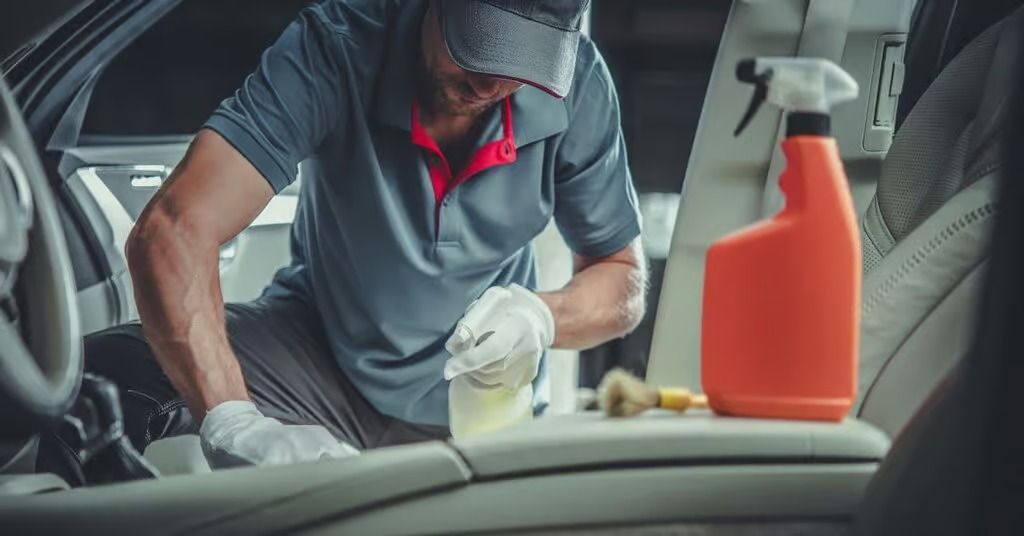
A complete detail is typically broken down into two major components: the exterior and the interior car detail. Each area requires a unique set of procedures to achieve that flawless look. A true professional doesn’t cut corners on either half; they understand that both are critical to the overall result.
A Deep Dive into Exterior Detailing
The exterior is what everyone sees first, so it gets a lot of attention during any detailing service. The process is much more involved than just using wash soap and water. It is a multi-step approach designed to clean, correct, and protect your vehicle’s paint and other surfaces.
The first step is a careful hand wash. Professionals often use a two-bucket method to prevent cross-contamination, which drastically reduces scratches. One bucket holds the pH-neutral car wash soap, and the other holds clean rinse water for the wash mitt. Many auto detailers will also use a foam cannon attached to a pressure washer to pre-soak the vehicle, lifting heavy dirt before any physical contact is made.
Next comes decontamination. After the wash, the paint may still feel rough due to bonded contaminants like industrial fallout, brake dust, and tree sap. A chemical iron remover is sprayed on to dissolve ferrous particles, often turning purple as it works. After rinsing, a clay bar is gently glided across the paint with a lubricant to pull out any remaining embedded contaminants, leaving the surface perfectly smooth.
Once the surface is completely clean, the paint correction process can begin. This is where car detailing professionals use an orbital polisher and various compounds to remove imperfections. They carefully remove light scratches, swirl marks, water spots, and oxidation to restore clarity and gloss to the paint. This is a meticulous process that makes the color pop and the finish look like a mirror.
A Note on Headlight Restoration
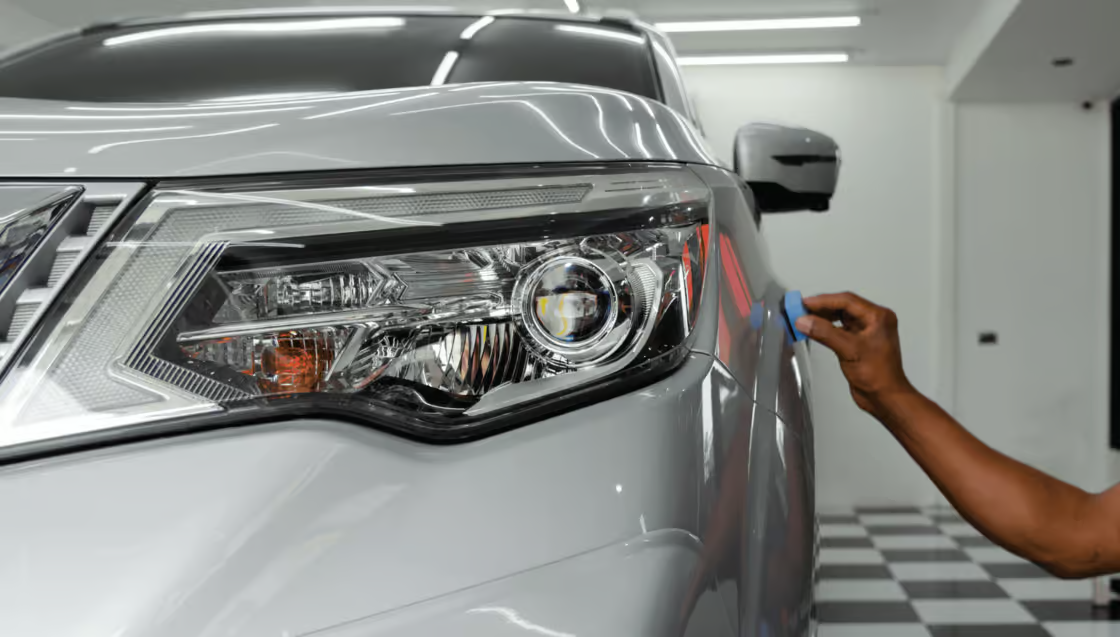
An important part of exterior detailing is headlight restoration. Over time, polycarbonate headlight lenses become yellow and hazy from UV exposure, reducing their effectiveness and making the car look old. Detailers can wet-sand, compound, and polish the lenses to restore their original clarity, then apply a protective sealant to prevent future yellowing. This not only improves the car’s appearance but also enhances nighttime visibility and safety.
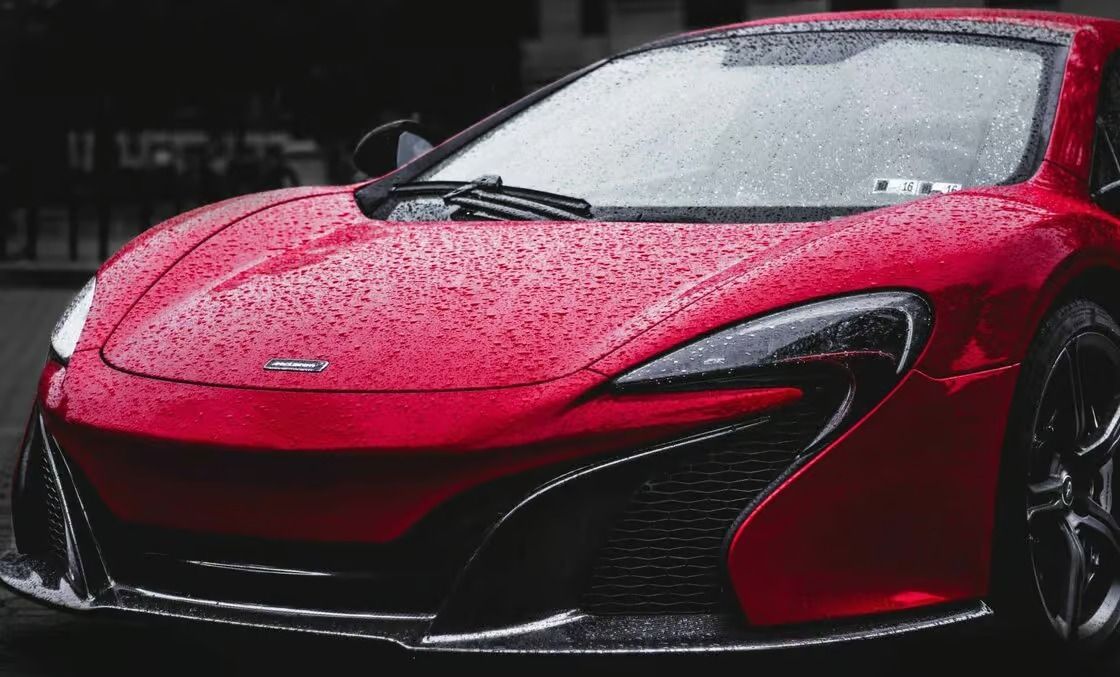
The final step for the exterior is protection. A layer of high-quality car wax, a synthetic sealant, or a durable ceramic coating is applied. This protective layer shields the paint from UV rays, bird droppings, and road grime, while also giving it that incredible hydrophobic (water-beading) effect. Don’t forget, the detailer will also clean the wheels, apply tire shine, and use a trim restorer on faded black plastics to complete the pristine look.
| Protection Type | Standard Car Wash | Professional Car Detailing |
|---|---|---|
| Carnauba Wax | Few weeks to 3 months | Deep, warm glow and good gloss. |
| Paint Sealant | 4 to 6 months | Durable, slick, and offers strong protection. |
| Ceramic Coating | 2 to 5+ years | Extreme durability, chemical resistance, and intense water beading. |
Inside Matters Just as Much: Interior Detailing
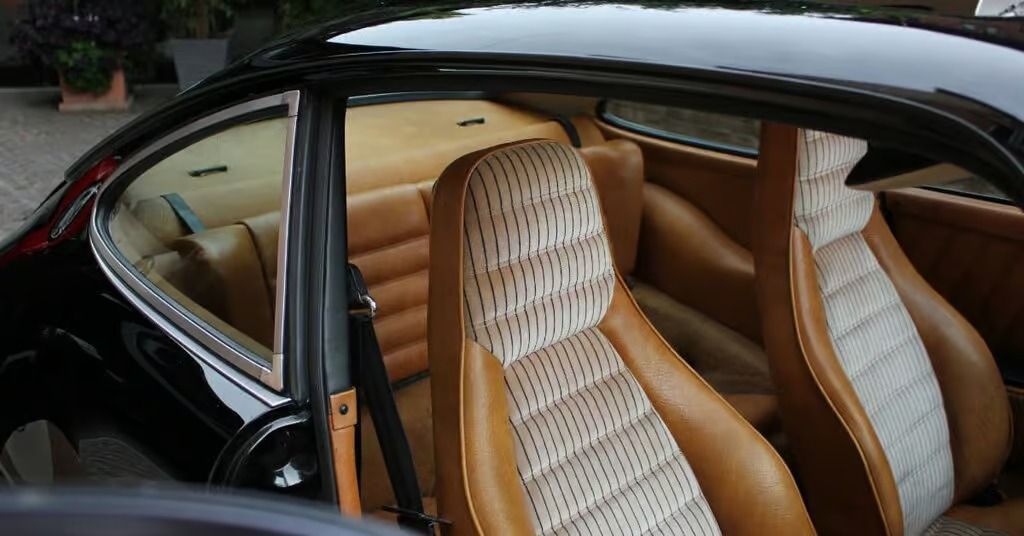
You spend all your time inside your car, so the interior detail is just as important for a great driving experience. It’s about creating a clean, healthy, and pleasant environment. A proper interior detailer tackles every nook and cranny to leave your car smelling clean.
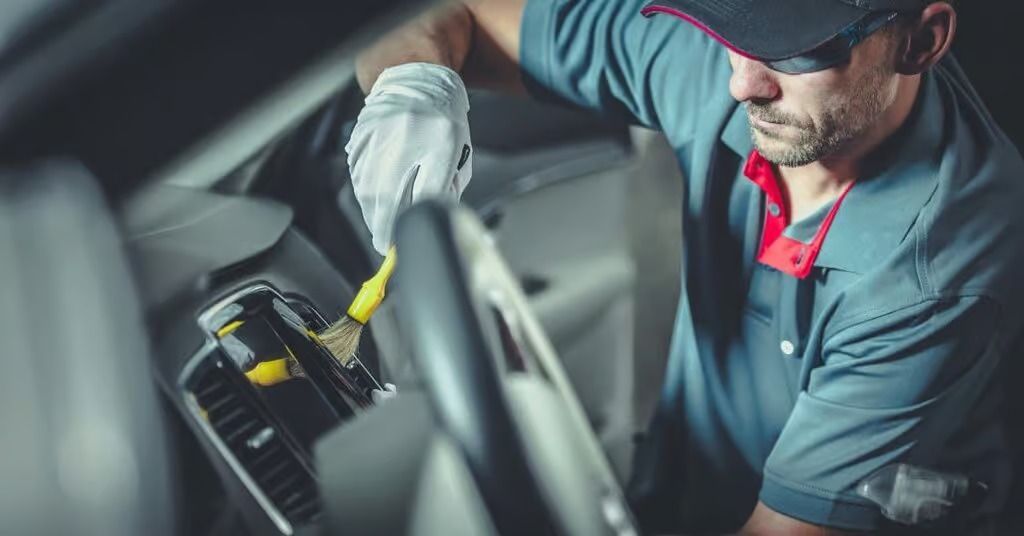
It starts with a complete removal of all loose items and floor mats, followed by a thorough vacuuming of the entire clean interior. Using a powerful vacuum cleaner with various attachments, the detailer gets deep into carpets, seats, and the cargo area. Compressed air is essential here, used to blow debris out of tight areas like air vents, panel gaps, and around cup holders that a vacuum can’t reach.
All hard interior surfaces like the dashboard, door panels, and center console are wiped clean with appropriate cleaners that won’t damage the material. For luxury vehicles with sensitive materials, this is crucial. A protectant is often applied to plastics to guard against sun damage and leave a non-greasy, satin finish. The car window glass is then cleaned to a streak-free shine.
For fabric surfaces, car detailers use an upholstery cleaner and fabric-safe brushes to spot-treat for stains. The seats and carpets may then be shampooed or steam-cleaned to lift out deep-seated dirt, oils, and kill bacteria. For leather seats, a pH-neutral cleaner is used first, followed by a quality leather conditioner to replenish moisture, keep them soft, and prevent cracking.
Why Car Detailing is an Investment, Not an Expense
It’s easy to look at the price of professional auto detailing and think of it as a luxury expense. For owners who value their vehicles, it’s truly an investment in preservation and enjoyment. The benefits go far beyond just looking good for a week or two.
Preserving Your Vehicle’s Value
Your vehicle is a significant asset, and its condition directly impacts its resale value. A car with pristine, protected paint and a spotless interior will always command a higher price than a neglected one. A report on vehicle valuation from industry experts shows that cosmetic appearance is a major factor for used car buyers.
Regular detailing services prevent the long-term deterioration that brings down a car’s value. They stop paint from fading, leather from cracking, and plastics from discoloring. When it’s time to sell or trade in, that investment can pay for itself many times over by helping you secure a higher offer.
The Art of Paint Correction and Protection
Modern car paint is durable, but it’s not invincible. Daily driving exposes it to a constant assault from road salt, industrial fallout, and UV radiation. Without protection, these elements can oxidize and fade the clear coat over time, making your car look dull.
Professional auto detailers address this head-on. The paint correction stage physically removes the damaged layer of clear coat to reveal a fresh surface. Applying a ceramic coating or sealant then acts like a powerful, sacrificial shield for your car, creating a barrier that can last for years and help you save money on costly repaint jobs in the future.
Enhancing Your Driving Experience
Let’s be honest, how does it feel to get into a car that is perfectly clean? It just feels better. The cabin is free of that old car smell, the leather feels soft, and every surface is free of dust when you run your hand over it. A professional interior car cleaning elevates the entire experience of being in your car.
There’s also a health aspect to consider. Over time, your car’s interior can trap allergens, dust mites, and bacteria in the carpet and upholstery. A deep interior cleaning with an upholstery cleaner and steam removes these contaminants, improving the air quality inside your vehicle and making it a healthier space for you and your family.
Finding the Right Professional for Your Prized Possession
Not all car detailers are created equal. Finding the right person to trust with your vehicle is important, especially when dealing with a large or small vehicle you care about. This isn’t the time to simply search for the cheapest option.
A true professional will operate with transparency and pride in their work. Look for a car detailing business with a strong online presence, showcasing a portfolio of their previous work. Reading reviews from other customers gives you a good sense of their quality and service, something many detailing professionals value highly.
Don’t be afraid to ask questions. A passionate detailer will be happy to explain their process and the detailing supplies they use, from specific microfiber cloths to their preferred orbital polisher. Ask about their experience with your specific type of vehicle. Someone who specializes in high-end cars will understand the nuances of working with soft paints or delicate interior materials.
Price often reflects the time, skill, and quality of detailing products used. A bargain-basement detail might involve cutting corners or using harsh chemicals that can cause more harm than good. Investing in a reputable, skilled professional is the best way to make sure your car gets the car care it deserves, whether from a mobile detailer or a fixed-shop location.
Conclusion
Ultimately, car detailing is the single most effective way to maintain the beauty and value of your vehicle. The terms “car detailing” and “auto detailing” describe a comprehensive service that goes beyond surface-level car cleaning to restore your car to its best possible state. From the deep clean of an exterior wash to creating a healthier interior, the benefits are clear.
It is a process that respects the engineering and artistry that went into your car in the first place. For any owner who truly loves their vehicle, professional car detailing is not a question of if, but when. It’s time to keep that feeling of pride alive every time you get behind the wheel.